



Removal
Disconnect the battery.
Remove the air intake sleeve, air filter housing (in vehicles with diesel engines and some petrol engines) and battery.
In vehicles with a 6-cyl. petrol engine, the battery is located in the luggage compartment; accordingly, only the air filter housing needs to be removed.
Remove the battery holder frame.
Place a sufficient amount of lint-free cloth in the engine and gearbox areas.
Remove as much brake fluid as possible using a filler and bleeder or a brake fluid reservoir device.
For vehicles with manual transmission:
Clamp the hose B of the main cylinder of the clutch release drive with the clamp W up to 25 mm.
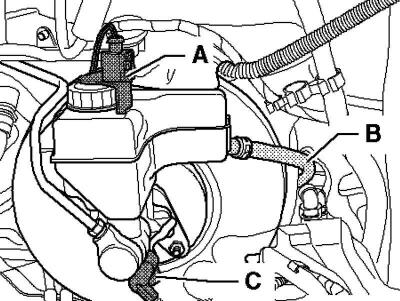
Fig. 6.46. Clutch release master cylinder plug connection and hose
Remove hose B from the clutch release drive master cylinder (Fig. 6.46).
Continuation of installation operations for all vehicles
Remove plug connection A from the float warning indicator sensor.
Remove plug connection C from brake light switch F.
Remove the brake fluid reservoir. To do this, press the latches on the reservoir outward and at the same time remove the reservoir from the plug.
Unscrew the brake lines 1 on the brake master cylinder, close the lines using the plugs from the repair kit 1H0 698 311 A.
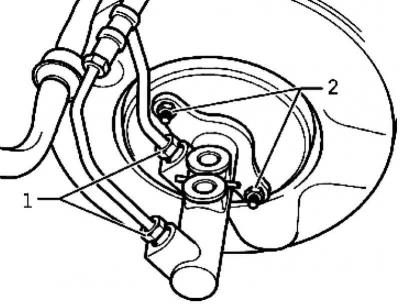
Fig. 6.47. Master brake cylinder mounting nuts
Unscrew nuts 2 from the master brake cylinder (Fig. 6.47).
If present, remove the heat shield.
Carefully remove the master cylinder from the brake booster.
Unscrew the brake light switch F from the brake master cylinder.
Installation
Installation is carried out in reverse order
When installing, pay attention to the following points:
When assembling the master cylinder and brake booster, ensure that the push rod is properly seated in the master cylinder.
Bleed the brake system.
Tightening torques
Master cylinder to brake booster: 25 Nm.
Brake light switch to brake master cylinder: 5 Nm.
Brake pipes to the main brake cylinder: 8.5 mm – 17 Nm, 6 mm – 14 Nm.
View the original on the website (VWmanual)
Visitor comments