



2. In models with 1.6 and 1.8 engines, the fuel pump is located on the engine body, behind the oil filter mounting bracket. The pump is driven directly from the intermediate shaft
3. If there is any doubt about the correct operation of the fuel pump, it is necessary to disconnect the pipe from the outlet fitting and connect a pressure gauge instead.
4. The same check can be carried out in a less accurate way:
- a) Disconnect the fuel supply pipe from the carburetor (with the air filter removed).
- b) Disconnect the low voltage clamp from the ignition coil.
- c) Prepare an additional elastic tube 0.5 mm long and put one end of it on the fuel pump nipple, and insert the other into a transparent bottle.
- d) Run the engine briefly. If fuel flows freely from the pipe, the pump is working properly.
5. If the previous test shows that the pump is not working properly, it must be replaced with a new one, as repair is not possible. However, before removing the pump, it is also necessary to check whether the fuel filter is clogged and whether there is fuel in the tank.
6. The fuel filter must be replaced every 30,000 km.
View the original on the website: vwmanual.ru
7. Using a suitable socket head bolt wrench, loosen the mounting bolts and disconnect the pump from the cylinder head (or engine block). Remove the sealing ring.
8. Clean the working surfaces on the pump and head or on the engine block and insulating cuff 9 (figure 3.4)
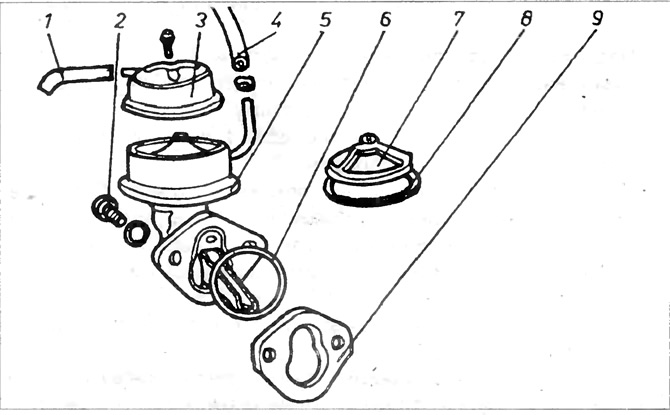
Figure 3.4. Fuel pump - 1.6 and 1.8 l engines
1 - fuel suction pipe; 2 - bolt securing the pump; 3 - pump cover; 4 - fuel pipe pump/carburetor; 5 - lower pump body; 6 - gasket; 7 - strainer; 8 - gasket; 9 - insulating gasket.
9. Assembly is performed in the reverse order of disassembly. Replace the sealing ring, and where clamping belts are used, replace the belts with clamping bolts.
10. Finally, with the engine running, check all connections of the elastic hoses and also check for any signs of fuel leaks.
Visitor comments