



a) Remove the carburetor.
b) Disconnect the electrical wire of the intake manifold preheater.
c) Drain the fluid from the engine cooling system and disconnect the elastic fluid pipes from the manifold.
2. Disconnect the manifold's low-pressure flexible hoses, if any (figure 3.48).
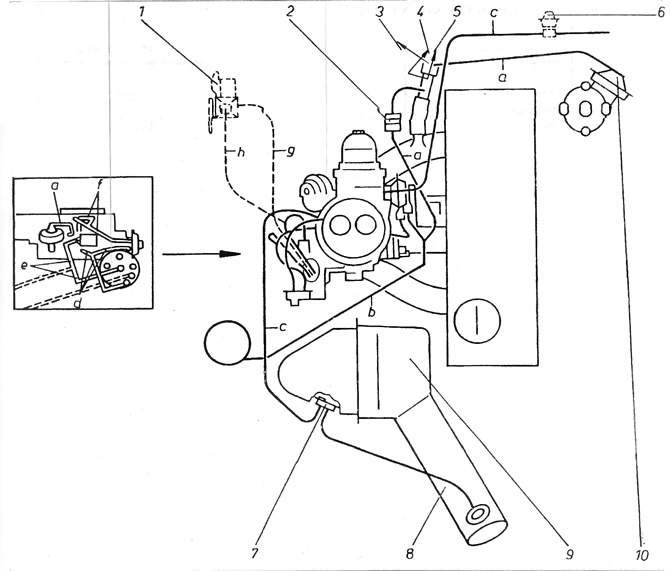
Figure 3.48. Connecting low pressure pipes - 2E2
1 - idle speed control valve under load for engines with automatic transmission; 2 check valve; 3 to the air conditioner; 4 - to the fuel consumption meter; 5 - to servo; 6 - gear engagement indicator; 7 - air filter temperature sensor' B - temperature regulator; 9 - air filter housing; 10 - low pressure ignition advance regulator. Connection colors: a - black, b - green, c - normal, d - brown, e - yellow, f - blue, g - pink, h - white.
d) Disconnect the locking lever (if any) between the base of the manifold and the main crankcase of the engine or between the manifolds.
[The article is posted on the portal VWmanual]
e) Loosen the bolts and nuts securing the manifold, paying attention to their placement, and carefully separate the manifold from the cylinder head.
e) Remove the manifold gasket and clean the contact surfaces on the manifold and engine head.
g) The manifold is installed in the reverse order. Put on a new manifold gasket and tighten the fastening bolts and nuts to a certain torque.
3) Install the carburetor.
2. Exhaust manifold, removal:
a) Loosen the fastening nuts and remove the protective plate from the exhaust manifold.
b) In car models with 1.1 and 1.3 engines, unscrew the connections from the manifold.
c) For models of cars with 1.6 and 1.8 engines, act according to the description of this Manual in Part 4 on the exhaust system.
d) Loosen and remove the remaining manifold mounting bolts and nuts, then carefully separate the manifold from the cylinder head. Remove the gasket.
d) Clean the contact surfaces of the manifold and head, as well as the exhaust pipe cuff joint.
e) Install the exhaust manifold in the reverse order of removal. Put on a new manifold gasket and tighten the fastening bolts and nuts evenly to the specified torque.
e) Before connecting the exhaust pipe to the manifold, it is necessary to lubricate the connection cuff with a small amount of paste for connecting the exhaust system (exhaust gas discharge), this paste will ensure a good seal of the connection.
Note: High fuel consumption and low power of the car may not necessarily be caused by a faulty carburetor. First of all, make sure that the starting system is adjusted correctly, that the brakes do not jam and that the mechanical part of the engine is in good order. Only after this check can you deal with the carburetor.
Visitor comments