



Contents: Windshield Installation Instructions ↓ Preparing undamaged glass for…↓ Preparing for installation of new…↓ Preparing the edges of the body for…↓ Minimum curing time ↓ Repair of paint damage ↓
Remove the A-pillar trim panels.
Remove all sun visors.
Remove the interior rearview mirror.
Remove the headlining.
Lower the headliner so that the windshield can be cut out without damaging the headliner.
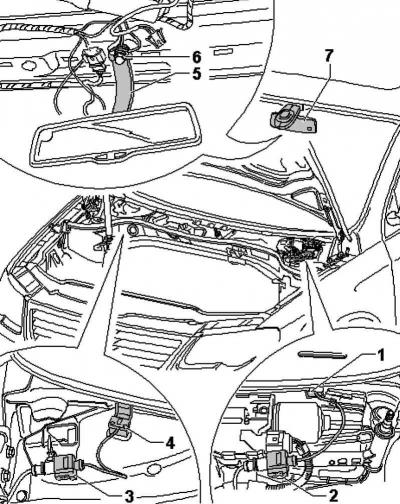
Fig. 8.33. Elements to be removed before dismantling the windshield
Remove the water protection strip on the left and right sides of the hood, starting from the mounting strips on the A-pillars (Fig. 8.33).
Disconnect the negative wire 5 from the mounting screw 6 and secure the Kapton wire to the glass with adhesive tape.
After this, in the water drainage box, it is necessary to disconnect the plug connectors 2 and 3 and unlock them from the holder. Fix the Kapton wires 1 and 4 to the glass with adhesive tape.
Note: When cutting the windshield, be careful not to damage the wires. If one of the wires is damaged, the glass must be replaced.
Insert the film between the windshield and the dashboard.
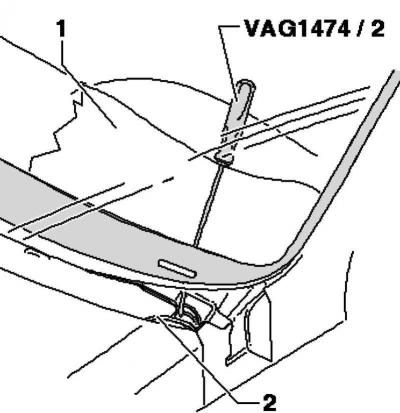
Fig. 8.34. Thread pulling for cutting
Pull one end of cutting thread 2 with an awl through the adhesive sealant into the interior (Fig. 8.34).
Secure the end of the cutting thread in the cabin using the handle.
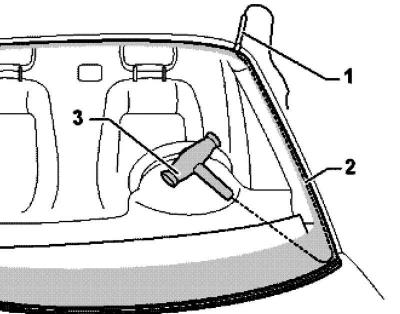
Fig. 8.35. Securing the thread for cutting
Insert cutting thread 2 using tube 1 into the edge of the glass (Fig. 8.35).
Place the cutting thread around the glass.
Make sure that the cutting thread at the corners is laid under the glass.
Secure the other end of the thread to the spool.
Set the coil to "position I".
Cut the glass by moving the coil accordingly.
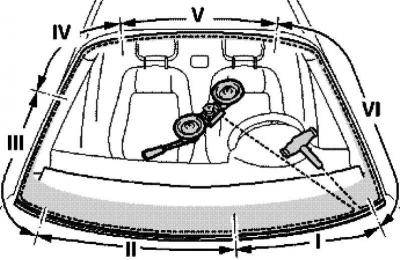
Fig. 8.36. Removing the windshield
While cutting, press the thread against the glass with a plastic wedge to ensure free space at the edge of the glass and the front panel.
Windshield Installation Instructions
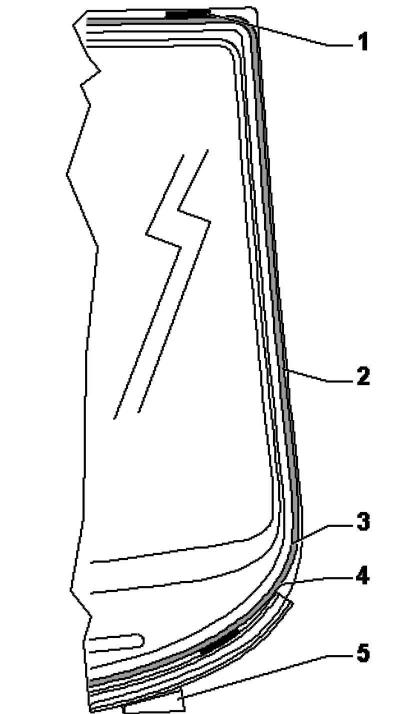
Fig. 8.37. Windshield components to be installed
Check if there are vertical stops 1 (Fig. 8.37).
There are no marks on the windshield for applying the adhesive bead 2. The adhesive bead is applied between points 3 and 4. On the upper edge of the glass, starting from the vertical stop 1 inwards. On the side edge of the glass, starting from the inner edge of the primer layer 3 outwards. The lower edge of the glass, starting from the framing profile 4 inwards.
Joint width and height dimensions for windshield.
While the glue is hardening, secure the windshield with clamps (443 845 631 A) 5.
Install the casing of the water drainage box in strict accordance with the description on the page.
Preparing undamaged glass for installation
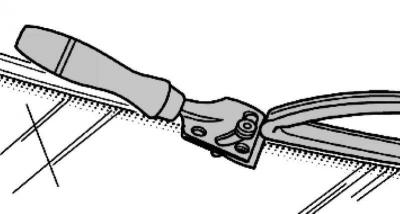
Fig. 8.38. Cutting off the remains of the adhesive sealant
Note: When reinstalling undamaged glass shortly before gluing it, cut off the remaining adhesive-sealant to a thickness of 1...2 mm, without damaging the primer layer and the ceramic layer (Fig. 8.38).
The remaining layer serves as a reactive primer for applying a new layer of adhesive sealant.
Caution: Do not treat the surface of the adhesive joint with primer and cleaner. The surface to be bonded must be clean and degreased.
Exception: if the glass is not glued immediately after cutting off the remaining adhesive sealant, activate the remaining layer with activator D 181 801 A1.
Preparing for installation of new glass without pre-coating
All glass supplied as replacement parts is uncoated.
Note: The surface for applying the adhesive sealant bead is not coated or primed.
Clean the glass edge along the perimeter to a width of 20 mm with cleaner D 009 401 04.
After this, rub the edge of the glass dry with a lint-free cloth.
Note: The ceramic coating on the glass is not a primer. Before applying the adhesive sealant, be sure to treat the surface with a primer. Use only primer D 009 200 02.
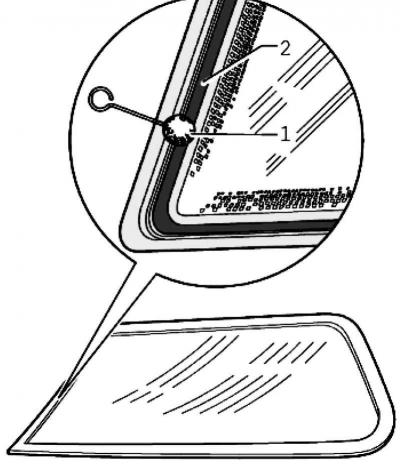
Fig. 8.39. Applying primer
Apply primer 2 using applicator D 009 500 25 1 evenly in one step (Fig. 8.39).
Drying time is about 10 minutes.
Preparing the edges of the body for glass installation
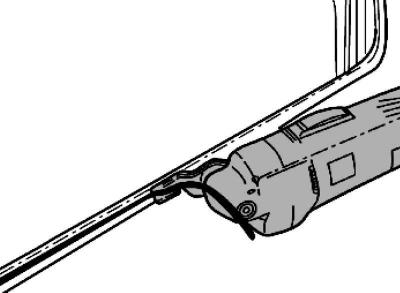
Fig. 8.40. Cutting off excess primer
Cut off the remaining adhesive sealant on the edges of the body using a U-shaped knife, under no circumstances remove the adhesive sealant completely (Fig. 8.40).
Note: The remaining layer serves as a reactive primer for applying a new layer of adhesive-sealant. The surface for gluing must be clean and degreased.
Caution: Do not allow the activator to come into contact with the paintwork – this will damage the paintwork.
Exception:if the glass is not glued immediately after cutting off the remaining adhesive sealant, activate the remaining layer with activator D 181 801 A1.
If the edges of the body have been treated or partially renewed, then after painting the corresponding area must be cleaned again and treated with a primer.
Minimum curing time
Attention: When replacing bonded glass, special requirements must be observed. For example, a new bonded windshield must meet accident safety requirements after the specified curing time of the adhesive sealant.
The minimum curing time for two-component adhesive DA 004 600 A2 when installing any glass is 3 hours.
The minimum curing time is the period from the moment the glass is glued until the vehicle is used again. During this time, the vehicle must be on a level surface at room temperature (at least 15°C).
Caution: Safe operation of the vehicle is ensured only after the minimum adhesive curing time has elapsed.
Repair of paint damage
On visible damaged areas of the paintwork and larger damaged areas that are not visible when the glass is installed, it is necessary to restore the structure of the paintwork.
For minor damage to the paintwork in closed areas, the following repair method is suitable: double application in opposite directions ("wet on wet") of glass primer and varnish D 009 200 02.
Apply primer to the damaged area once.
Let dry for 10 minutes.
Apply the primer a second time in the opposite direction to the first time.
Visitor comments