



Contents: Gasoline engine ↓ Gasoline additives ↓
Gasoline engine
Your engine must use regular quality unleaded petrol with a minimum octane rating of 87 AKI (CLC) or RON (ROS).
For optimum performance with 134 PS (16 V) under high loads, it is recommended to use unleaded petrol with a minimum octane rating of 91 AKI (CLC) or 95 ROW (ROZ).
Do not use fuel with an octane rating lower than 87 AKI or 91 RON.
Do not use leaded gasoline.
Use of leaded gasoline will completely destroy the catalytic converter and its ability to control exhaust emissions. Unleaded gasoline is used throughout the continental United States, Canada, and most European countries.
Octane number
The octane number indicates the ability of gasoline to resist engine "knock" associated with early ignition of the fuel and its detonation combustion. Therefore, it is very important to buy gasoline of the required grade to avoid possible engine failure and a decrease in its performance.
The recommended octane number of gasoline for your engine is printed on a plate on the inside of the fuel filler flap. This number can be determined by AKI (CLC) or RON (ROS)
Petrol stations usually sell petrol with an octane rating according to AKI or CLC, which are calculated as follows:
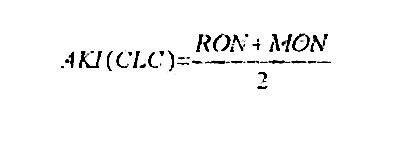
RON (octane number by the research method) + MON (octane number by motor method), divided by 2. AKI
According to this calculation, gasoline has the following octane numbers
- Premium gasoline 91-96 AKI
- Gasoline standard 87-90 AKI
Use of gasoline containing alcohol or TMBE (trimethylbutyl ether)
You can use unleaded gasoline with alcohol or TMBE (refers to oxygmates), if such fuel mixture meets the following requirements:
A mixture of gasoline and methanol (wood alcohol or methyl alcohol):
- The antiknock index must be 87 or higher.
- The mixture should contain no more than 3% methanol.
- The mixture must contain more than 2% CO solvents.
Note: methanol fuels that do not meet the above requirements may be sources of corrosion and cause damage to plastic and rubber components of the fuel system.
A mixture of gasoline and ethanol (ethyl alcohol):
- The antiknock index must be 87 or higher.
- The mixture should contain no more than 10% ethanol.
Mixture of gasoline with TMBE
- The antiknock index must be 87 or higher.
- The mixture should contain no more than 15% TMBE.
General remarks
Do not use fuels that do not meet the above requirements.
Do not use fuel with an unknown percentage of its constituent components.
Use of fuel that does not meet the above requirements and warranty conditions for the operation of a new vehicle or emission control system may result in damage to the fuel system.
If you experience increased fuel consumption or a deterioration in the overall handling characteristics of your vehicle when using one of the above types of mixtures, we recommend that you switch to using pure gasoline and additives.
If you are unable to determine whether the fuel mixture meets the above parameters, contact a service station for assistance.
Seasonal gasoline
Many brands of gasoline contain additional additives for optimal engine operation in winter or summer. During the off-season, it is recommended to refuel the car at gas stations where the transition to fuel corresponding to a particular season is carried out on time.
Gasoline additives
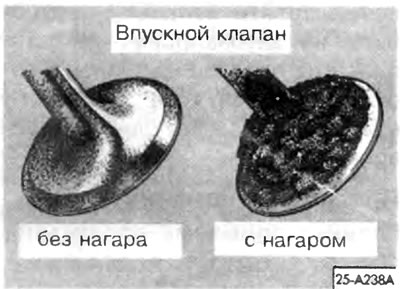
A major concern among many automakers is the formation of carbon deposits depending on the type of gasoline used. Although different brands of gasoline differ from each other, they all have one thing in common - the accumulation of carbon deposits (sludge) on the main components of the engine, especially fuel injectors and intake valves. Although most brands of gasoline include additives that prevent contamination of the engine and fuel system components, their effectiveness varies.
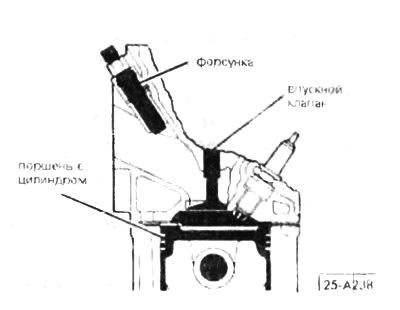
When using different brands of fuel that do not meet technical requirements over a long period of time, engine performance deteriorates. The formation of carbon deposits (sludge), such as those shown in the figure, can lead to the following:
- Unstable engine operation in idle mode.
- Uncontrolled fluctuation of engine crankshaft speed.
- Misfire.
- Loss of power.
- Engine operation with ignition off.
- Detonation or engine knocking. If the above deviations are observed for a long time, this may lead to engine failure.
- The Volkswagen service warranty does not cover an engine that is damaged or runs erratically as a result of using low-quality fuel.
Latest developments of new fuel grades
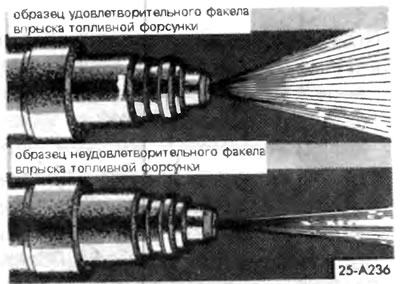
Gasoline manufacturers strongly recommend so-called cleaning additives. Most of them are designed to prevent carbon deposits from forming on fuel injectors. However, not all of them are equally effective.
However, some types of gasoline have come on the market with appropriate additives that prevent the formation of carbon deposits on injectors and intake valves.
To ensure a long engine life, it is necessary to use only those brands of gasoline that include the above additives.
Diesel engine. Diesel fuel №2
The Jetta diesel engine is designed to run exclusively on diesel fuel. Therefore, under no circumstances should you use heating oil or gasoline to avoid damage to the fuel injector system and the engine itself.
If diesel fuel gets on any part of the rubber hose, it should be wiped off immediately and then washed with warm water and soap. Do not allow diesel fuel to come into contact with the connecting hoses to avoid leaks and subsequent serious damage to the engine.
Work in winter
At temperatures below -7°C, diesel fuel 2 loses its fluidity due to waxing, which can lead to clogging of the fuel filter or fuel tank mesh filter and, as a result, the inability to start the engine.
To prevent this, the fuel filter in the vehicle is preheated automatically, allowing diesel fuel 2 to be used at temperatures down to -24°C.
If you are likely to drive in temperatures below -15°C, contact your dealer to determine if your fuel is suitable for winter use.
Caution: Do not use starting fluids. They may be potentially explosive and may cause conditions that promote engine runaway. This could cause serious engine damage and personal injury. Do not use gasoline engine antifreeze.
If diesel fuel intended for use in winter conditions has thickened to such an extent that it does not ensure the engine starts, it is necessary to leave the car for some time in a heated room.
It is normal for the engine noise level to be higher than normal during warm-up in winter. After starting the engine, white-blue smoke may come out of the exhaust system during warm-up. This is also normal, and the amount of smoke depends on the outside temperature.
Do not idle a diesel engine unnecessarily after a cold start. Driving the vehicle slowly after starting the engine will reduce the time required for it to warm up.
Gasoline instead of diesel fuel
Your diesel engine can use diesel fuel mixed with 30% leaded or unleaded regular quality petrol. If the petrol concentration in the fuel tank exceeds this value, the engine must not be started to avoid damage to the engine. In this case, the fuel must be removed from the tank, taking all necessary precautions. See also the information above.
Visitor comments