



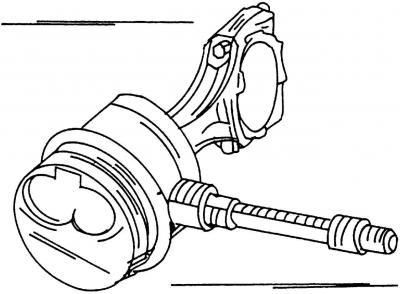
Fig. 429. Removing and installing the piston pin using a special mandrel
Insert the piston pin into the heated piston and connecting rod by hand. Fig. 429 shows how the piston should be positioned when installing the piston pin.
When assembling the piston and connecting rod, the following recommendations should be observed:
- if you are reusing old pistons, make sure that the markings you have applied are positioned correctly. When installing new pistons, pay attention to the markings in the form of numbers on the pistons, i.e. 1/2 or 3/4;
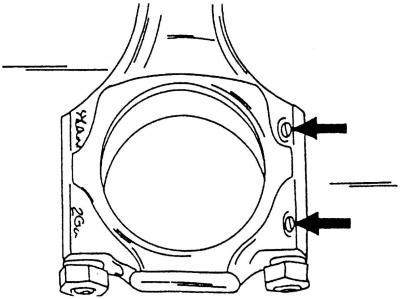
Fig. 423. The arrows indicate the cast projections. The bearing shell tongues are located on the same side
- the cast projections on the connecting rod and bearing cap (Fig. 423) must point towards the intermediate shaft and engine pulleys;
- the cylinder number mark must match on the connecting rod and bearing cap;
- insert the retaining rings on both sides of the piston and make sure they are firmly seated in the grooves;
- check if the piston moves freely back and forth on the connecting rod.
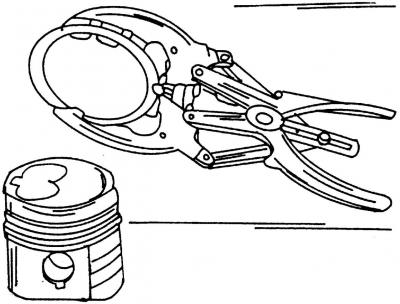
Fig. 425. Removing or installing piston rings
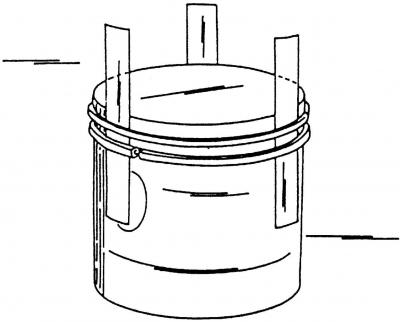
Fig. 426. Schematic representation of removal or installation of piston rings
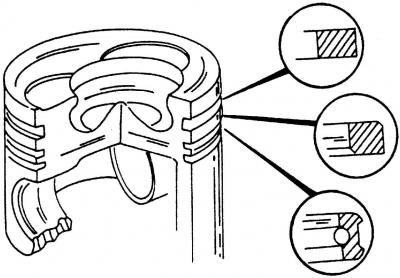
Fig. 430. Section and location of piston rings when they are installed on the piston
Using a piston ring puller (Fig. 425), install the piston rings one by one into the grooves. If you do not have a tool for installing piston rings, use metal strips (Fig. 426). To do this, install the rings at the level of the grooves on the piston and, after pulling out the metal strips, install the piston rings into their grooves. Check the cross-section of the rings before installing them (Fig. 430). Both compression piston rings are marked on one side with the words "Oben" or "Top" and this marking should be visible after installing the ring from the piston bottom side.
Before installation, place the assembled pistons on a clean surface and cover them to prevent dust from getting on them.
Visitor comments