



2. Clean the brake lines with cold cleaning agent.
3. Using a lamp, inspect all brake lines running from the master cylinder to all brake cylinders. The master cylinder is located in the hood under the brake fluid expansion tank.
4. When the ABS anti-lock braking system is installed, the brake lines from the master cylinder go to the hydraulic unit (in front of the battery) and from there to the wheel brakes. Not a drop of brake fluid should leak from the hydraulic device.
5. Brake pipes must not be pinched or bent. They must not have any traces of rust or abrasions. Otherwise, the entire pipe up to the next connection must be replaced.
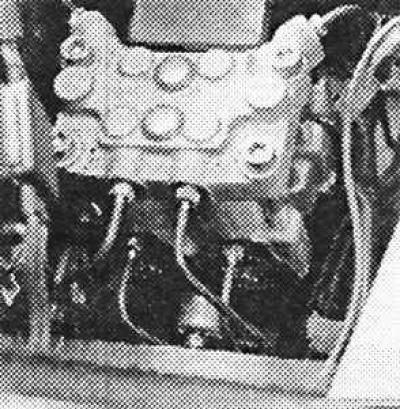
6. Brake hoses connect the pipes to the brake cylinders of the turning wheels. They are made of a material that can withstand high pressure, but over time they can become porous, swollen or cut by sharp objects.
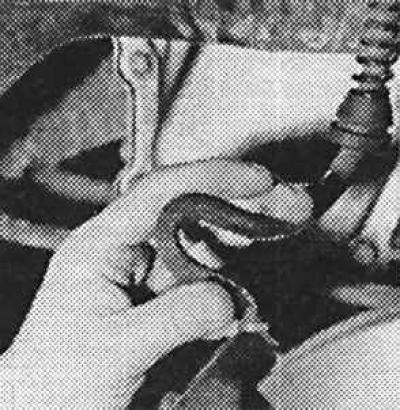
7. Bend the hoses by hand in one direction and the other to determine damage. The hoses should not be twisted. Pay attention to the color strip, if any!
8. Turn the steering wheel right and left until it stops. The hoses should not touch any parts of the car.
9. The connection points of the brake pipes and hoses must not be wet from leaking fluid.
Caution! The fact that the expansion tank and seals are wet from leaking brake fluid is not yet proof of a faulty master cylinder. Most often, this is the cause of brake fluid leaking from the air bleed hole in the cap or the cap gasket.
10. Remove the car from the stands.
Visitor comments