



2. Set the heater control to the maximum heating position.
3. Loosen the cap on the expansion tank by turning it until it stops. Once the pressure has been relieved from the system, the plug can be completely removed.
4. Place a suitable container under the radiator and remove the radiator drain plug.
5. If you do not intend to change the coolant, you should collect it in a container for future use.
The article is published on this resource www.VWmanual.ru
6. If the system was filled with a mixture of antifreeze and water of the correct composition, flushing is not required, and fresh coolant can be added to the system immediately.
7. If there was not enough antifreeze in the system to prevent corrosion, the system should be flushed until the flowing water is clear. If necessary, you can backwash the radiator to remove any loose scale.
8. If the radiator is heavily clogged, you can use a special cleaning agent, strictly following the manufacturer's instructions. A cleaning agent is needed that is suitable for engines made of various metals (iron and aluminum).
9. Inspect the radiator fins. If there is dirt on them, it should be washed off with a jet of water under pressure or blown off with compressed air.
10. Once flushing is complete, screw the drain plug back into the base of the radiator.
11. Pour the antifreeze and water mixture into the expansion tank until the liquid level reaches the mark on the tank wall (see photo).
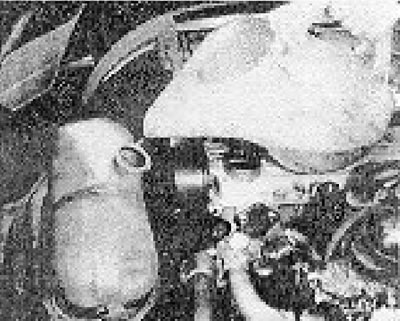
Photo 2.11. Pouring liquid into the cooling system.
12. Install and tighten the expansion tank cap. Start the engine and let it idle at a slow speed for 2-3 minutes. This will remove any air pockets in the system, after which the fluid level in the reservoir should drop.
13. Add coolant to the reservoir until the required level is reached.
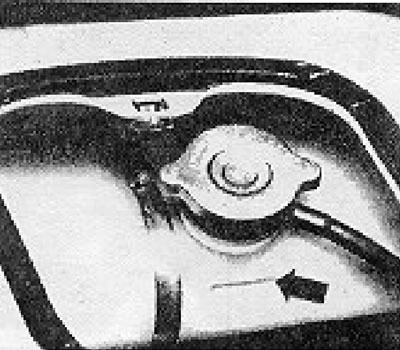
Figure 2.1. Maximum level mark on the wall of the expansion tank (section 1).
Visitor comments